See Operational Risk Before It Becomes Disruption
Detect conditions that threaten continuity, compliance and frontline execution — and surface them as real-time alerts to the right people, on the right channel.
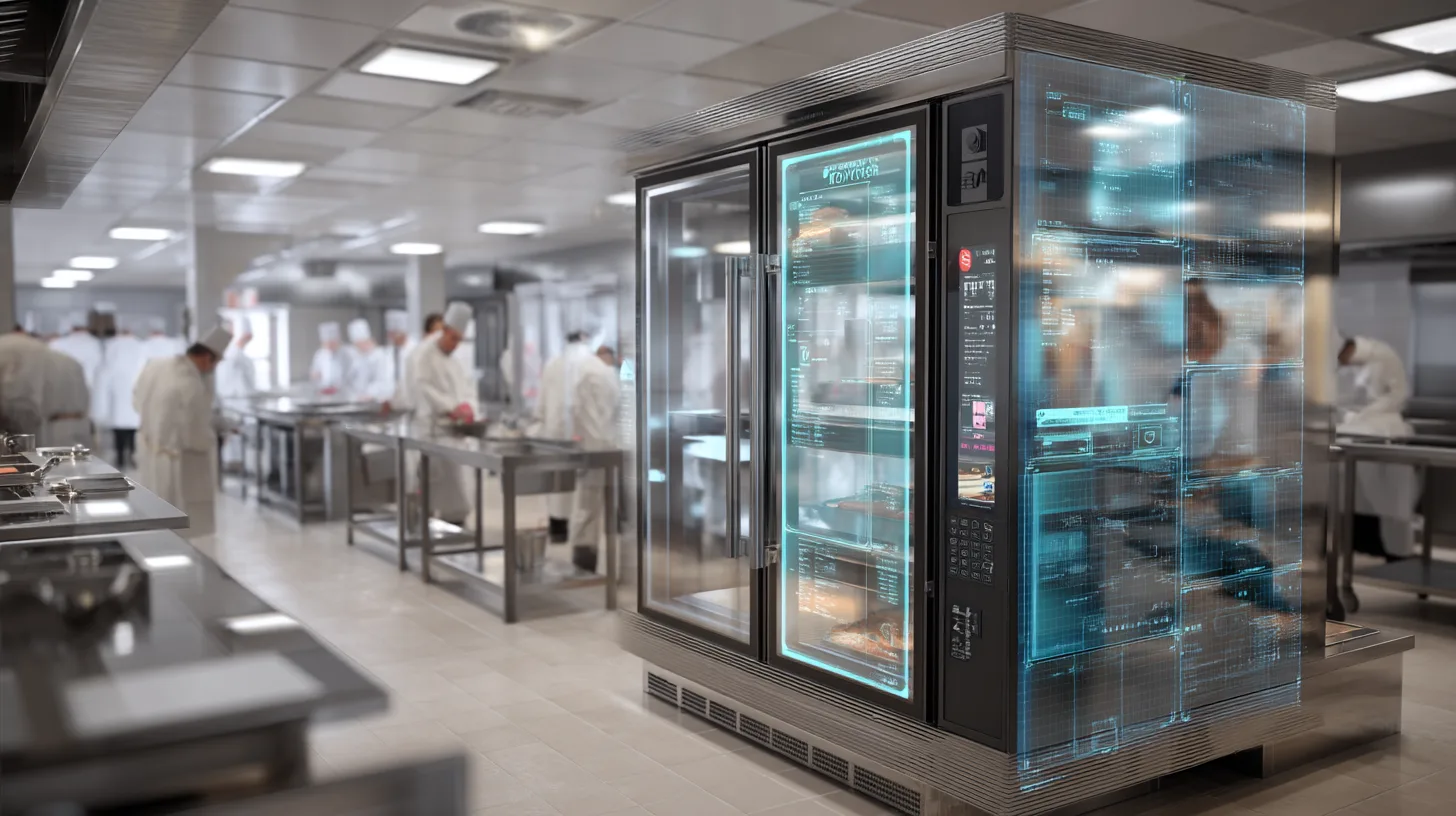
Most Operational Problems Start Quietly
A refrigeration unit begins drifting.
A shift starts late.
A task is left incomplete.
A service delay grows unnoticed.
Disruption rarely arrives all at once. It develops quietly — often visible only after reliability, compliance or continuity are already affected.
Operational Risk Alerts surface emerging conditions continuously, so teams can intervene earlier.

Operational Awareness,
Continuously Generated
Sense
Capture operational signals
Understand
Interpret patterns & anomalies
Respond
Deliver alerts & escalate
Real Alerts. Real Response.
Alerts are delivered through the channels teams already use — so frontline staff, supervisors and operators can respond without chasing context.
Multi-Channel Alerts

Mobile Push Alerts
Frontline teams receive context-rich push notifications on the devices they already carry — formatted for fast comprehension and immediate action.

Desktop Incident Visibility
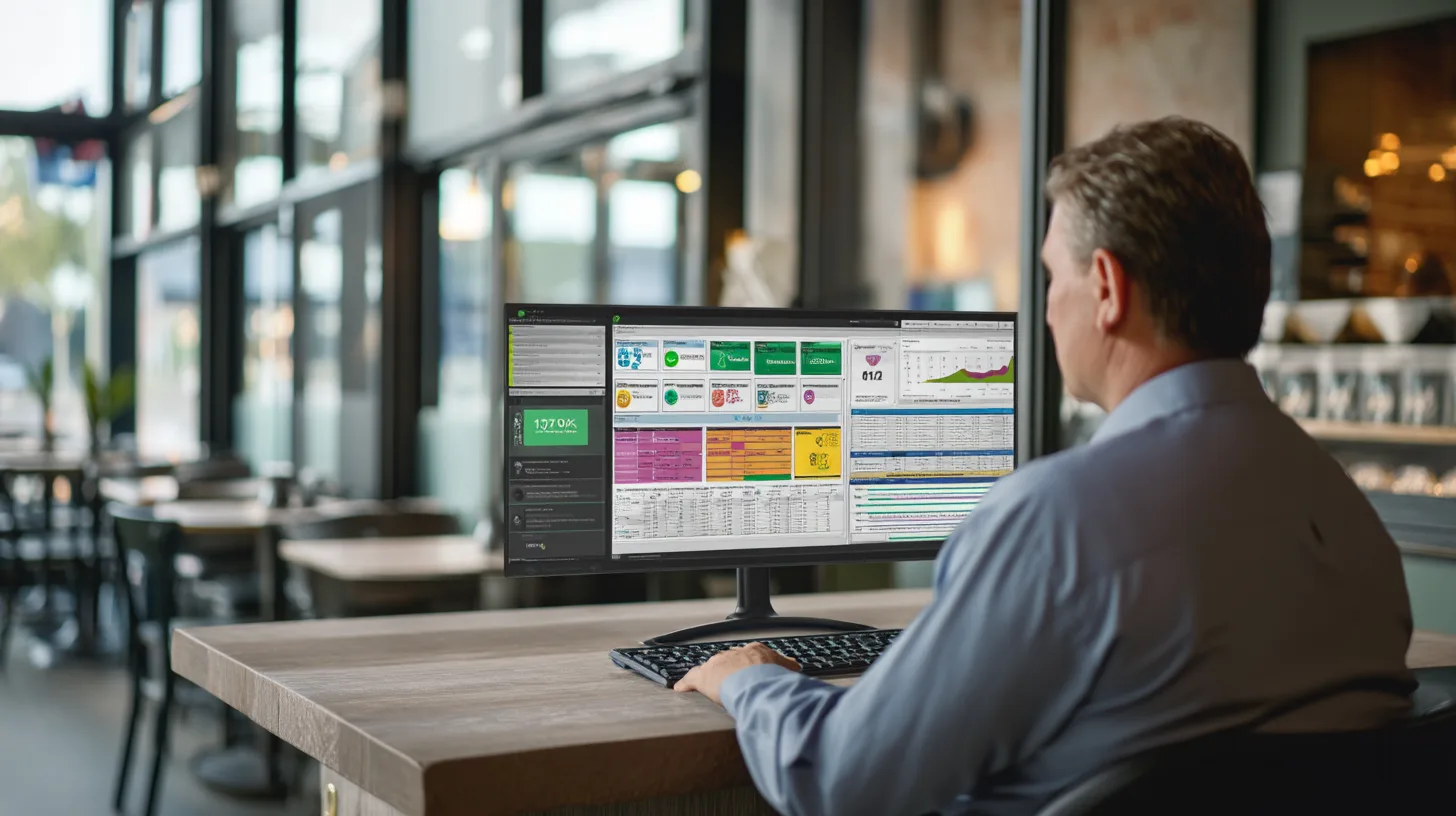
Built For Continuous Operational Awareness
Refrigeration Risk Alerts
Detect environmental instability and refrigeration deviations.
Workforce Presence Alerts
Identify missed attendance and delayed shift activity.
Service Delivery Alerts
Surface missed execution and service deviations.
Multi-Channel Notifications
Deliver alerts through push, SMS, email, pager and escalation workflows.
Escalation-Aware Response
Route unresolved conditions to the appropriate people.
Configurable Operational Rules
Adapt alert thresholds and escalation behavior to operational context.
Earlier Awareness. Faster Action. Stronger Continuity.
Earlier Intervention
Surface problems before disruption spreads.
Faster Operational Response
Reduce delay between detection and action.
Greater Accountability
Ensure issues are visible and owned.
More Reliable Operations
Maintain continuity across distributed environments.
Built For Frontline Operations

Restaurants & QSR
Detect refrigeration instability and execution failures.

Healthcare & Senior Care
Maintain environmental integrity and operational continuity.

Facilities & Commercial Operations
Surface infrastructure and service risks early.

Janitorial & Service Operations
Identify missed work and delayed execution.
Alerts Become More Powerful Inside The Operating Loop
Operational Risk Alerts connect directly to escalation workflows, operational records, and AI agents — turning detection into coordinated, verifiable response.
Automated Escalation Workflows
Escalate unresolved operational conditions automatically.
Trusted Operational Records
Create verifiable operational history and evidence.
Operational AI Agents
Interpret operational conditions and support response.
Explore the connected platform
Related capabilities and resources
What customers say
An alert gives me a particular unit to check during the shift, and the temperature reading helps me understand why it needs attention.
Navita
Shift Manager — Domino’s Franchise Operator
Knowing which unit triggered the alert and seeing its temperature helps me decide what to check under our response procedure.
Sybill
Store Manager — Wendy’s Franchise Operator
A temperature alert points me to the fridge that needs checking, giving me a clear starting point for a conversation with the team.
Alex B
Restaurant Manager — Dreammind Group